

Compact World Discovery Journey
Reviews
Compact World Discovery Journey succeeds by focusing on quality over quantity. The small world is packed with cleverly hidden paths and meaningful ability upgrades. The platforming challenges are fair and become more engaging as new tools are acquired. Its clean visuals and responsive controls make it easy to recommend for fans of exploration games. The lack of filler content keeps the experience tight and rewarding.
About This Game
World Design & Navigation
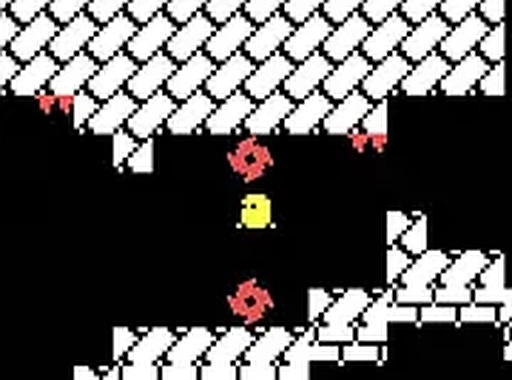
Compact World Discovery Journey presents a tightly packed environment where every screen holds potential. The world is built as a series of connected rooms and corridors, each with its own visual theme and set of challenges. Unlike sprawling open worlds, this game focuses on density. A single area might contain multiple hidden alcoves, a tricky jump sequence, and a new pathway that only becomes accessible later. The map is not linear; players can choose which direction to explore first, though some routes are blocked until the right ability is found. This design encourages revisiting earlier locations with fresh tools, revealing shortcuts and bonus content.
Ability Collection & Progression
Progress in Compact World Discovery Journey is tied directly to the abilities you collect. These are not just keys but functional tools that change how you interact with the environment. For example, one ability might let you break through fragile walls, while another could allow a double jump to reach high ledges. Each new skill opens up a portion of the map that was previously out of reach. The game does not use a traditional level-up system; instead, growth is measured by the expanding map and the increasing complexity of the routes you can take. This creates a natural feedback loop where exploration directly fuels further exploration.
Obstacle Patterns & Timing
The core challenge in Compact World Discovery Journey revolves around timing and positioning. Obstacles include moving platforms, collapsing floors, and environmental hazards that require precise jumps. The game does not rely on random elements; each hazard follows a fixed pattern that can be learned and anticipated. This makes the experience feel fair. Players who fail a section can try again immediately, as checkpoints are placed generously. The difficulty ramps up gradually, introducing new obstacle combinations as the player gains confidence. Mastering these patterns is essential for reaching the more secluded areas of the world.
Visual Style & Accessibility
The game uses a clean, pixel-art inspired visual style that keeps the screen uncluttered. Characters and objects are clearly distinguishable, which is important when making split-second timing decisions. The color palette is varied but not overwhelming, helping to guide the player's eye toward interactive elements. Controls are limited to movement and jump, making the game easy to pick up. However, the layered level design provides depth for those who want to fully complete the map. The game runs entirely in a browser on desktop computers, requiring no downloads or installations, which lowers the barrier to entry for new players.





Comments
0 comments