

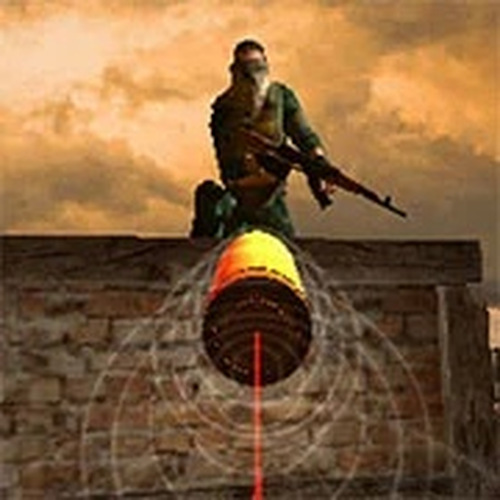
3D Focus Marksman: Tactical Observer
Reviews
3D Focus Marksman: Tactical Observer stands out by prioritizing accuracy over speed. The environments are thoughtfully designed, each requiring a fresh approach. Tools like zoom and stabilization are implemented well, adding depth without complexity. The audio-visual presentation supports the gameplay without overwhelming it. While the content may not be extensive, the quality of each scenario ensures a satisfying experience for those who enjoy methodical challenges. It is a polished title that knows exactly what it wants to be.
About This Game
Core Gameplay Loop
At its heart, this title is about lining up the perfect shot. Players navigate through various 3D environments, each presenting unique angles and distances. The primary activity involves identifying points of interest from afar and executing a clean action. Success depends on reading the environment, accounting for distance, and timing the moment correctly. There is no emphasis on rapid reflexes; instead, the game rewards a calm, collected approach.
Tools of the Trade
To aid in these tasks, the game provides several helpful tools. A zoom function allows for a closer look at distant targets, making fine adjustments possible. A stabilization feature helps reduce natural hand movement, which is crucial for longer attempts. For low-light areas, a special vision mode highlights hidden elements that would otherwise be missed. These tools are not just add-ons but are integral to progressing through the game's scenarios.
Environmental Interaction
The 3D worlds are more than just backdrops; they actively influence each scenario. Wind, lighting, and obstacles all play a role in how a player must plan their approach. Some areas require using cover to remain unseen, while others demand a quick assessment of moving elements. This dynamic keeps each level feeling fresh, as the same strategy rarely works twice. Adaptability becomes a key skill as the environments change.
Progression and Challenge
As players advance, the tasks become more complex. Early levels serve as a gentle introduction, allowing for practice with the basic controls and tools. Later stages introduce multiple points of interest, moving targets, and tighter time windows. The difficulty curve feels natural, pushing players to refine their technique without feeling unfair. This structure provides a satisfying sense of improvement over time.
Audio and Visual Atmosphere
The game uses sound and visuals to enhance the sense of focus. Ambient audio, such as wind or distant sounds, helps set the mood without being distracting. The visual style is clean and functional, ensuring that important details are easy to spot. This combination creates an immersive experience that keeps the player engaged in the task at hand, rather than pulling attention away with unnecessary flair.






Comments
0 comments